The Amateur Definition
In simple terms, a standard runner relies on carbohydrates (glycogen) for fast energy. Your body stores roughly 2,000 calories of it. When it runs out, you "hit the wall". The keto approach starves the body of carbs, forcing it to switch its primary fuel source to your fat stores—an almost limitless supply of tens of thousands of calories.
The 100km Experiment
Track the training.
Every run on the road to the start line — stats refresh from my Strava feed.
I had intermittently flirted with a strict ketogenic approach during my preparation for the 2023 100km run. The theory was alluring: if I could teach my body to metabolise fat efficiently, I wouldn't need to constantly ingest sugary energy gels while running, which ultimately led to the horrific gastric distress that robbed me of two hours during that race.
The advantages, when the system actually works, are profound. The traditional "sugar crash" simply vanishes. Your energy levels flatline in a surprisingly positive way—you never feel an explosive burst of power, but you also never feel the devastating, shaky drop of a hypoglycemic crash. You just keep churning forward at a steady, relentless pace, tapping into an infinite internal fuel tank.
But the transition phase—often dramatically termed the "keto flu"—is utterly miserable. You are actively starving your brain of its preferred fuel source while demanding it coordinate a heavy marathon training schedule. I was lethargic, irritable, and struggling to maintain focus during complex tea-buying negotiations at work.
The Disadvantages of Denial
From a pure running perspective, the major drawback of fat adaptation is the complete loss of your top gear. Fat burns slowly. It is a fantastic fuel for a slow, 20-hour trudge, but the moment you hit a steep incline or try to push your pace to hit a specific time split, the body screams for carbohydrates that simply aren't there. You feel entirely stuck in a heavy, sluggish first gear.
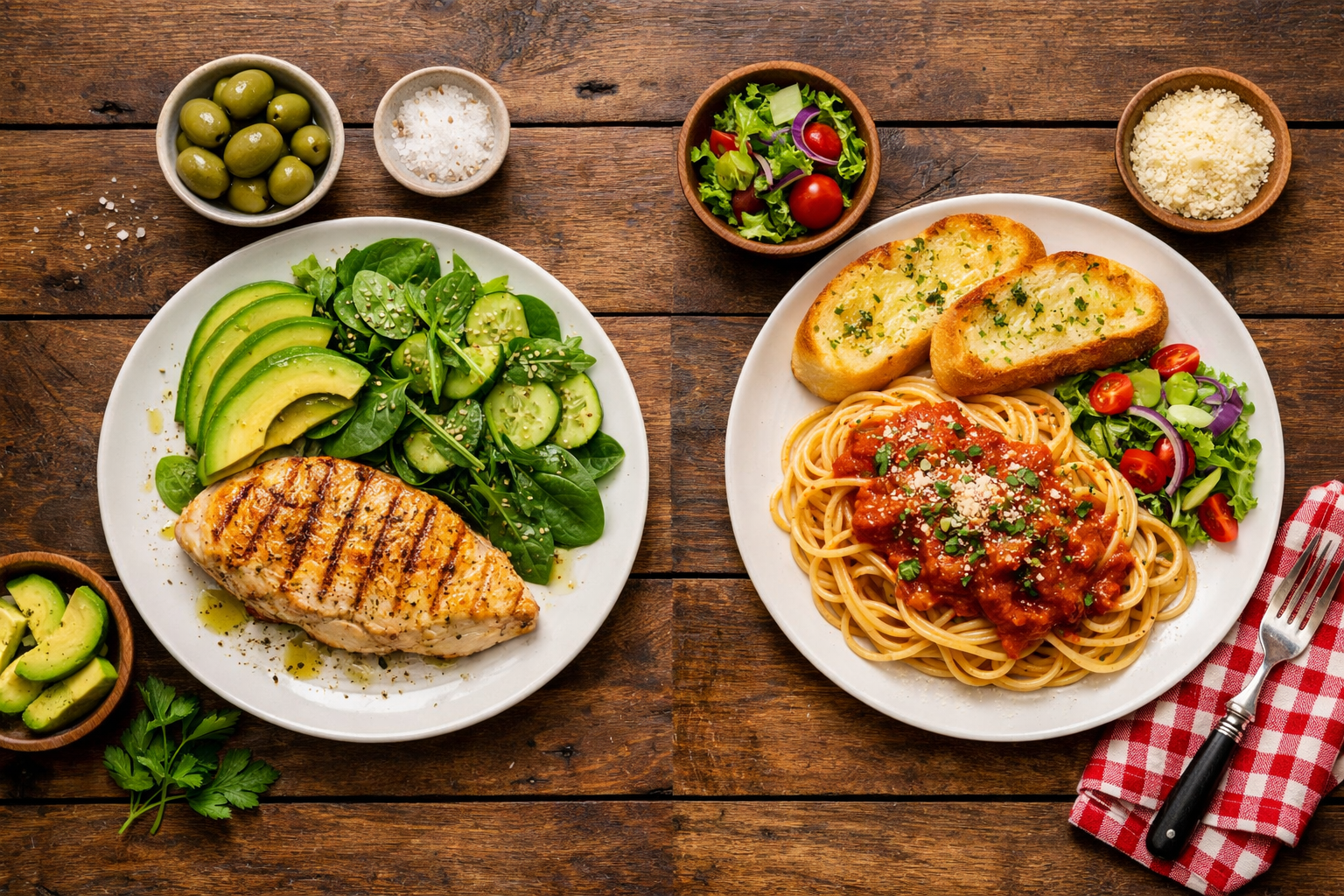
However, the real, tangible disadvantage has nothing to do with running mechanics. It is the sheer social isolation of the diet. Attempting a strict keto protocol while raising three young children is an exercise in domestic misery. It means actively refusing a slice of birthday cake. It means cooking a massive, comforting pot of pasta for the family after a long day, and then sitting down next to them with a plate of plain avocado and grilled chicken. It strips the joy out of shared meals, and frankly, that is a sacrifice that begins to weigh incredibly heavily over a prolonged training block.
The 190-Mile Compromise
As I structure the blueprint for this 190-mile endeavour, I will undoubtedly replicate the fat-adaptation approach, but with a vastly healthier level of respect for the drawbacks.
The current plan is a periodised approach: "Train Low, Race High." I will subject my body to strict, miserable periods of low-carb training to aggressively test my ability to run without easy sugars and force my metabolism to become highly efficient at burning fat. But I will not live in that state permanently.
When the actual 190-mile run begins, I intend to flood the system with carbohydrates. The goal is to build an engine that naturally runs efficiently on fat for the slow, grinding miles through the night, but still possesses the ability to access and burn readily available carbohydrates when the terrain demands it.
It is an incredibly delicate, totally amateur experiment in human biochemistry. I am undoubtedly going to get it wrong a few times during these early training blocks. But failing now, on a Tuesday morning run, is the only way to ensure the engine doesn't completely stall out somewhere between Wales and London.