The 2023 Statistics
Distance: 100km.
Route: Chartwell House to the White Cliffs of Dover.
Total Elapsed Time: 13 hours 37 minutes.
Moving Time: 11 hours 37 minutes.
The Homage and The Hubris
Track the training.
Every run on the road to the start line — stats refresh from my Strava feed.
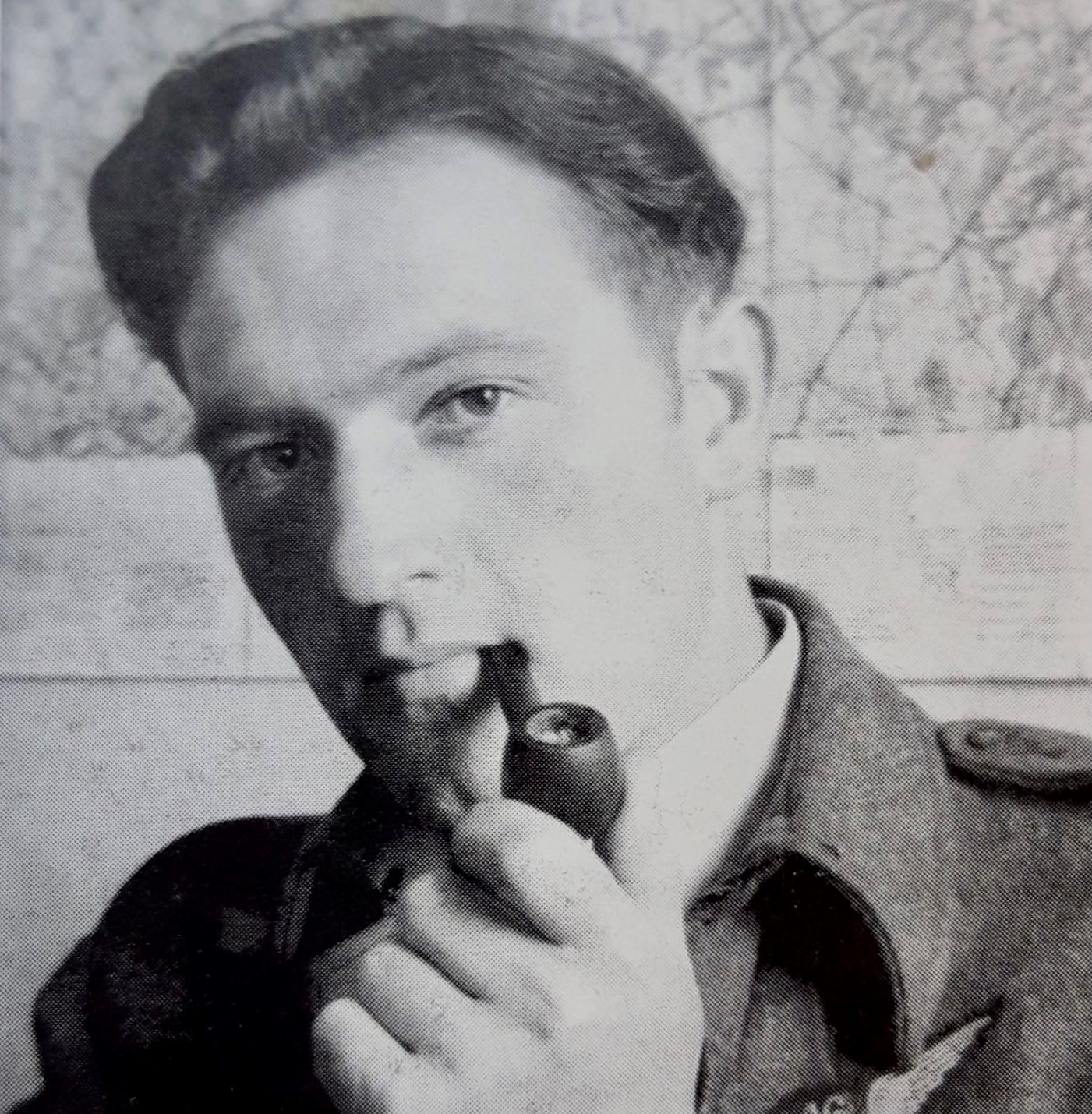
In 2023, I set out to run 100 kilometres across the south of England. Much like the upcoming 190-mile attempt, the geography of this run was deeply deliberate. It started at Chartwell House, the historic home of Winston Churchill, and concluded at the White Cliffs of Dover. It was a physical act of respect and homage to my grandfather and his generation who served in World War II. It was meant to be a proud, stoic march down to the very cliffs that symbolised their resilience.
The reality was far less cinematic. Yes, I crossed the finish line. Yes, the run was technically a success. But beneath that success was a layer of profound physical and mental anguish caused almost entirely by my own naivety.
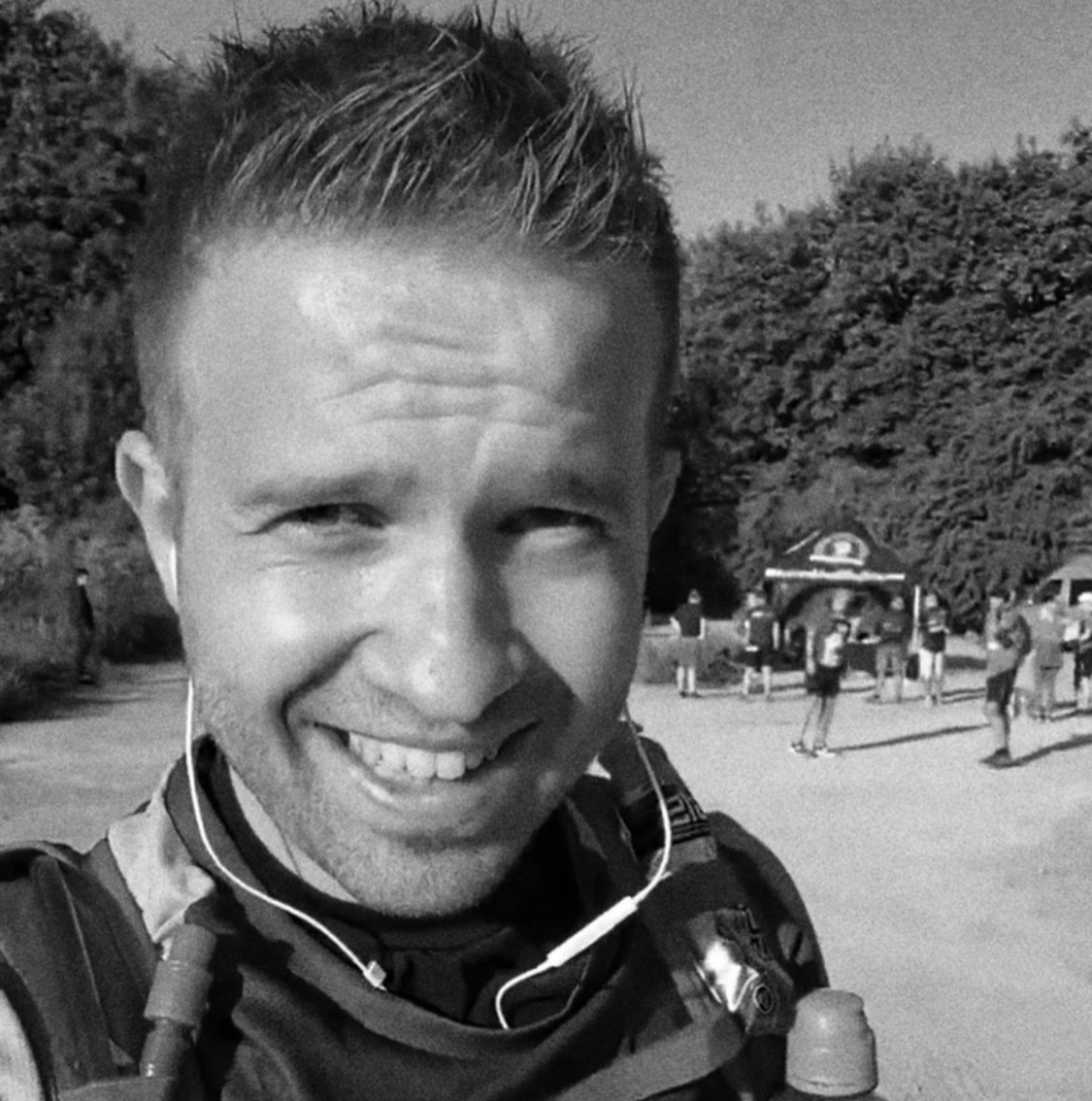
Let's look at the numbers. My total elapsed time from start to finish was just over 13 and a half hours. However, my actual running time—the time my feet were moving forward—was 11 hours and 37 minutes. If you do the rudimentary maths on that, it leaves approximately two full hours unaccounted for.
The Missing Two Hours
Those two missing hours were not spent posing for heroic photographs or taking in the scenery of the Kent countryside. They were spent collapsed at aid stations, questioning every life choice that had led me to that moment. They were spent struggling to digest food my stomach had completely rejected, battling extreme nausea, and trying to negotiate with a body that was actively shutting down.
I got my nutrition spectacularly wrong. I assumed that sheer willpower could override a lack of physiological planning. I ignored early warning signs in my pacing, running the first marathon distance far too aggressively, and paid the price in the final 20 miles. I had treated a 100km ultra-marathon like a slightly longer Sunday jog, and it broke me down to my absolute lowest mental denominator.
The Amateur Approach
I am sharing this because it is vital to keep this log radically honest. As I stand looking down the barrel of a 190-mile run, I am essentially having to reinvent my entire approach to distance. The Dover run proved, painfully, that my old methods were inherently flawed.
I am not a physio who understands the intricate biomechanics of the kinetic chain. I am not a dietician who can easily calculate sweat-sodium ratios. I am an amateur learning on the fly. When I talk about tweaking a hydration strategy or adjusting a training plan, it is only because I recently failed at it during a long Sunday run and had to limp home.
That finish line at Dover wasn't just a success; it was a harsh classroom. The pain I endured there is the blueprint for how I am preparing now. If 100km broke me down that severely, 190 miles will require an entirely different level of respect, humility, and preparation. I am failing forward, learning as I go, and bringing you all along for the incredibly unpolished ride.